
Overview of the FMCG Industry in India
FMCG Definition: Overview of Fast-Moving Consumer Goods and their role in India's economy.
FMCG Market Trends: Growth rates, urbanization, and changing consumer behavior.
Significance of Snacks in FMCG: Snack foods’ growing popularity in the Indian market, especially in metropolitan areas like Delhi.
Crunchy Munchy Tomato Twist: Product Introduction
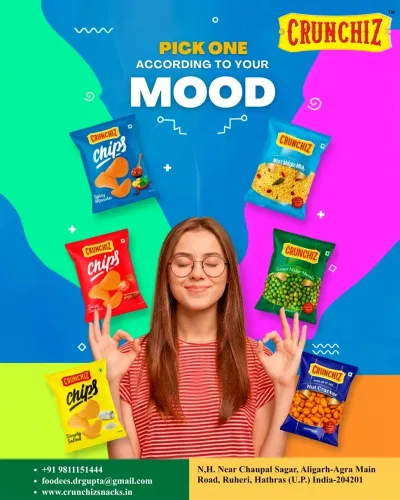
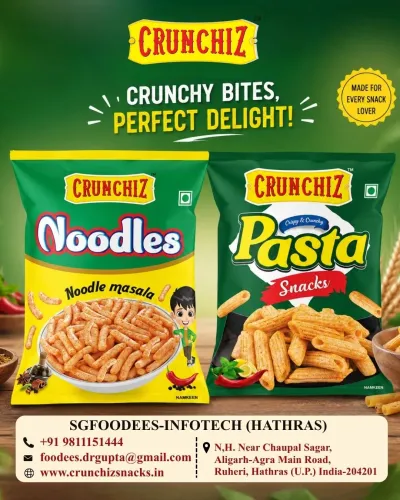
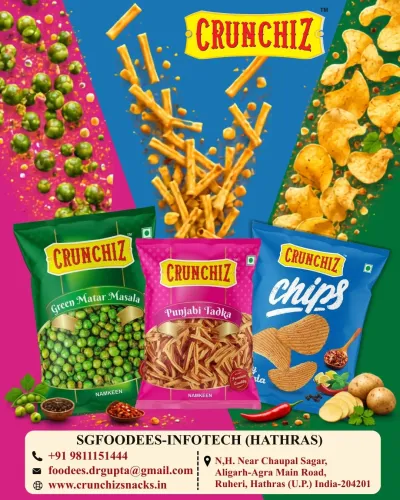
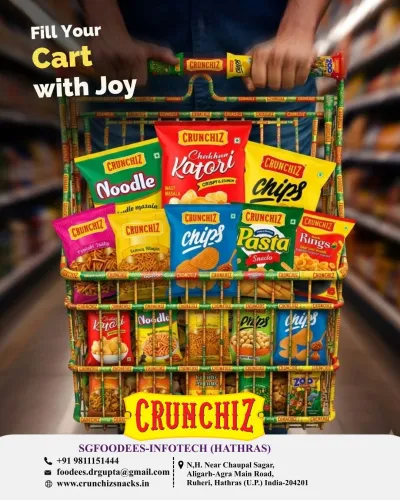
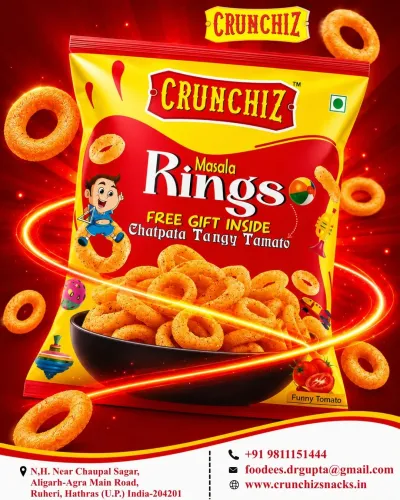
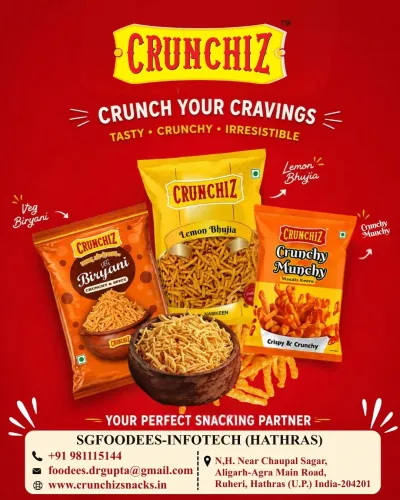
Product Concept: Description of Crunchy Munchy Tomato Twist (flavor profile, packaging, and size).
Brand Overview: Crunchy Munchy as a brand and its place in the market.
Product Appeal: Why Crunchy Munchy Tomato Twist stands out (spicy, tangy flavor, convenience).
Study Purpose and Objectives
Investigating the product’s role in the Delhi FMCG market.
Understanding consumer preferences, distribution strategies, and competitive positioning.
II. The FMCG Market in Delhi
Market Size and Growth Potential
Economic Overview of Delhi: Population, income distribution, urbanization trends, and disposable income.
FMCG Market Trends in Delhi: Rapid growth, especially in snacks and convenience foods.
Consumption Habits: Changing food consumption habits of Delhi’s residents—preference for ready-to-eat snacks, convenience, and fast foods.
Segmenting the FMCG Market in Delhi
Categories of FMCG Products: Overview of the different FMCG segments, with a focus on the snacks and packaged foods sector.
Snack Foods in Delhi: Importance of packaged snacks like chips, namkeen, and twists in daily consumption.
Demographics and Snack Consumption: Age groups, income segments, lifestyle, and cultural preferences influencing snack choices.
Snacking Culture and Changing Preferences in Delhi
Shift Toward Convenience: The growing preference for quick, ready-to-eat snacks due to urban lifestyles.
The Role of Spice and Flavor: Delhi's preference for spicy, tangy, and bold flavors in snack foods.
III. Crunchy Munchy Tomato Twist: Product Breakdown
Product Composition and Offering
Ingredients: Key components of the product (potato, spices, preservatives) and their appeal.
Flavor Profile: Description of the tomato twist flavor—spicy, tangy, and crunchy.
Packaging: Size variations, design, and functionality (easy-to-open packaging, resealability).
Sustainability: Environmentally conscious packaging strategies (biodegradable materials, recycling).
Target Market and Consumer Segmentation
Who Buys Crunchy Munchy Tomato Twist?: Identifying target consumers—young professionals, students, families, and snack lovers.
Demographic Segmentation: Age groups, income levels, and geography of the consumer base in Delhi.
Psychographic Insights: Motivations for choosing this product—spice lovers, convenience seekers, brand preferences.
Product Positioning
Brand Identity: Crunchy Munchy as a fun, bold, and modern snack brand.
Position in the Market: Comparison with other similar products (premium or value-based positioning).
USP (Unique Selling Proposition): Flavor, crunch, convenience, and packaging as the key differentiators.
IV. Competitive Landscape
Key Competitors in the Snack Food Market
Major Brands: Haldiram’s, Lay’s, Bingo, Kurkure, and their dominance in the snack food industry.
Regional and Local Competitors: The role of regional brands and their appeal in Delhi's market.
Analysis of Direct Competitors: Comparing Crunchy Munchy Tomato Twist to similar snacks like Lay’s Tomato and Bingo’s Tomato variants.
Competitive Product Analysis
Packaging Comparison: How Crunchy Munchy stacks up against competitors in terms of packaging and consumer appeal.
Flavor and Ingredient Comparison: Evaluating how the flavor profile of Crunchy Munchy Tomato Twist compares to others in the market.
Price Comparison: Price point analysis—Crunchy Munchy Tomato Twist vs. its competitors.
Market Share and Brand Loyalty
Consumer Preferences and Switching Behavior: Consumer loyalty to established brands vs. acceptance of new entrants.
How Crunchy Munchy Competes: Understanding the factors that influence consumers’ choice of brand, including flavor, price, packaging, and advertising.
V. Distribution and Retail Strategy in Delhi
Distribution Channels for FMCG Products in Delhi
Traditional Retail: The role of kirana stores and local shops in Delhi’s snack distribution.
Modern Trade: Supermarkets and hypermarkets like Big Bazaar, Reliance Fresh, and D-Mart and their role in reaching urban consumers.
E-commerce Channels: Increasing importance of online platforms like Amazon, BigBasket, Grofers, and their impact on the FMCG distribution model.
Crunchy Munchy’s Distribution Strategy
Retail Partnering: How Crunchy Munchy Tomato Twist is distributed through various retail outlets.
Stocking and Availability: Ensuring product availability across Delhi, managing stock levels, and distribution schedules.
E-commerce Strategy: How Crunchy Munchy engages with online retailers to sell directly to consumers.
Challenges in Urban Distribution
Traffic and Infrastructure: The challenges of delivering goods in a congested and rapidly growing city like Delhi.
Supply Chain and Stock Management: Ensuring fresh products reach retail outlets without stock-outs or delays.
Price Sensitivity: Managing price competition and maintaining margins in a highly competitive market.
VI. Consumer Behavior and Preferences
Snacking Trends in Delhi
Changing Food Preferences: The growing inclination toward snacking as a meal replacement or part of social gatherings.
Health Consciousness and Snack Choices: How consumers are becoming more health-conscious, preferring low-fat, low-sodium, and natural ingredients.
Cultural Factors: The influence of regional spices and flavors on Delhi’s consumers and how Crunchy Munchy Tomato Twist caters to those preferences.
Consumer Purchase Decision Factors
Taste vs. Price: How taste plays a significant role in purchase decisions and whether consumers are willing to pay a premium for flavor.
Brand Recognition: The role of brand reputation in influencing consumer choice.
Packaging and Convenience: The importance of easy-to-carry, resealable, and visually appealing packaging in influencing purchases.
Consumer Segments and Behavioral Patterns
Young Adults and Students: How Crunchy Munchy Tomato Twist appeals to younger demographics, especially students and office-goers.
Family Consumption: The preference of families for large-size packs for sharing during meals and events.
VII. Marketing and Advertising Strategies
Branding and Communication
Brand Story: The narrative that Crunchy Munchy uses to build an emotional connection with consumers (fun, bold, modern).
Positioning of the Tomato Twist: How Crunchy Munchy Tomato Twist is positioned as a premium, flavorful snack for trendy consumers.
Packaging as Marketing: How the product's packaging attracts attention on shelves and enhances brand perception.
Advertising Channels and Campaigns
Traditional Advertising: TV, print, and radio campaigns targeting Delhi’s mass market.
Digital Marketing: Social media marketing through Instagram, Facebook, and YouTube, with targeted ads, influencer marketing, and online promotions.
Experiential Marketing: Sampling and engaging directly with consumers at local events, pop-ups, or food festivals.
Promotions and Discount Strategies
Seasonal Promotions: Offering discounts or value packs during festive seasons or holidays.
Cross-Promotions: Partnering with complementary FMCG products (e.g., drinks) to increase sales.
VIII. Challenges and Risks in the FMCG Market
Competition from Established Brands
Strong Competition from Haldiram’s, Lays, and Kurkure: Overcoming the strong brand loyalty these brands command in the market.
Price Sensitivity: Managing a competitive pricing strategy that doesn’t compromise on quality.
Supply Chain and Distribution Challenges
Logistical Issues in Delhi: The challenges of delivering products on time in a highly congested urban market.
Stock Management: The complexity of maintaining consistent stock levels while managing demand fluctuations.
Regulatory Issues
Food Safety Regulations: Navigating government food safety standards (FSSAI) for product labeling, ingredients, and shelf life.
Changes in Health Regulations: How changes in food regulations (e.g., sugar content) might impact the formulation and marketing.
IX. Future Outlook for Crunchy Munchy Tomato Twist
Opportunities for Growth
Expansion into New Markets: Potential for launching Crunchy Munchy Tomato Twist in other metropolitan cities or rural markets.
Product Line Extensions: Expanding the product range with new flavors or snack types to capture more market share.
Digitalization and E-commerce Growth
The Role of Online Platforms: The growing importance of selling through e-commerce and the increasing role of mobile apps in reaching younger, tech-savvy consumers.
Innovative Marketing Strategies: Using influencer marketing, social media, and online promotions to create buzz and increase product visibility.
Health and Sustainability Trends
Consumer Demand for Healthier Options: Reformulating the product to cater to health-conscious consumers without sacrificing flavor.
Sustainable Practices: Shifting toward eco-friendly packaging and reducing the environmental footprint of production processes.
X. Conclusion
Summary of Key Findings
Key takeaways regarding Crunchy Munchy Tomato Twist’s position in the FMCG market, consumer preferences, competition, and distribution strategies.
Strategic Recommendations
Suggestions for improving product offerings, expanding market reach, and enhancing brand loyalty in Delhi.
Future Prospects
The potential for Crunchy Munchy Tomato Twist to grow its market share in Delhi and beyond, tapping into emerging trends and consumer behavior shifts.
Keywords